Enhancing Disaster Resilience: Role of Security Forces in Climate-Induced Disaster
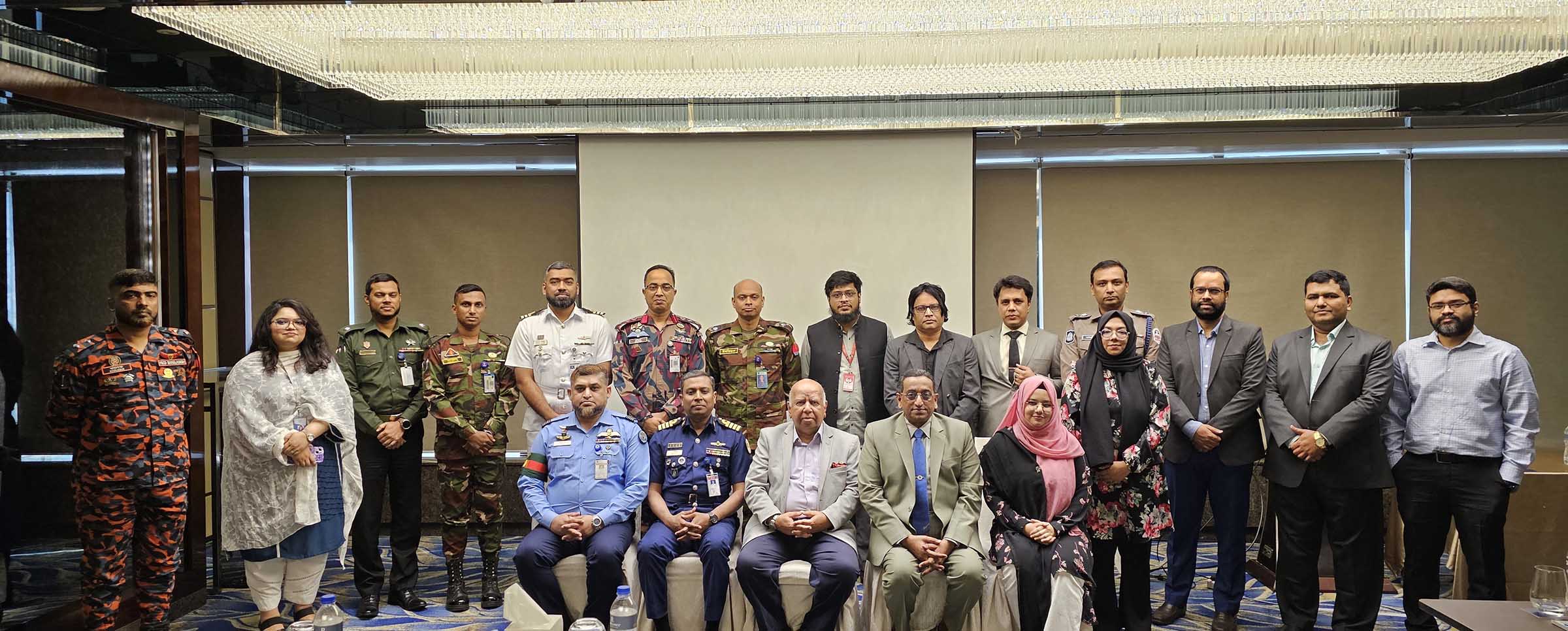
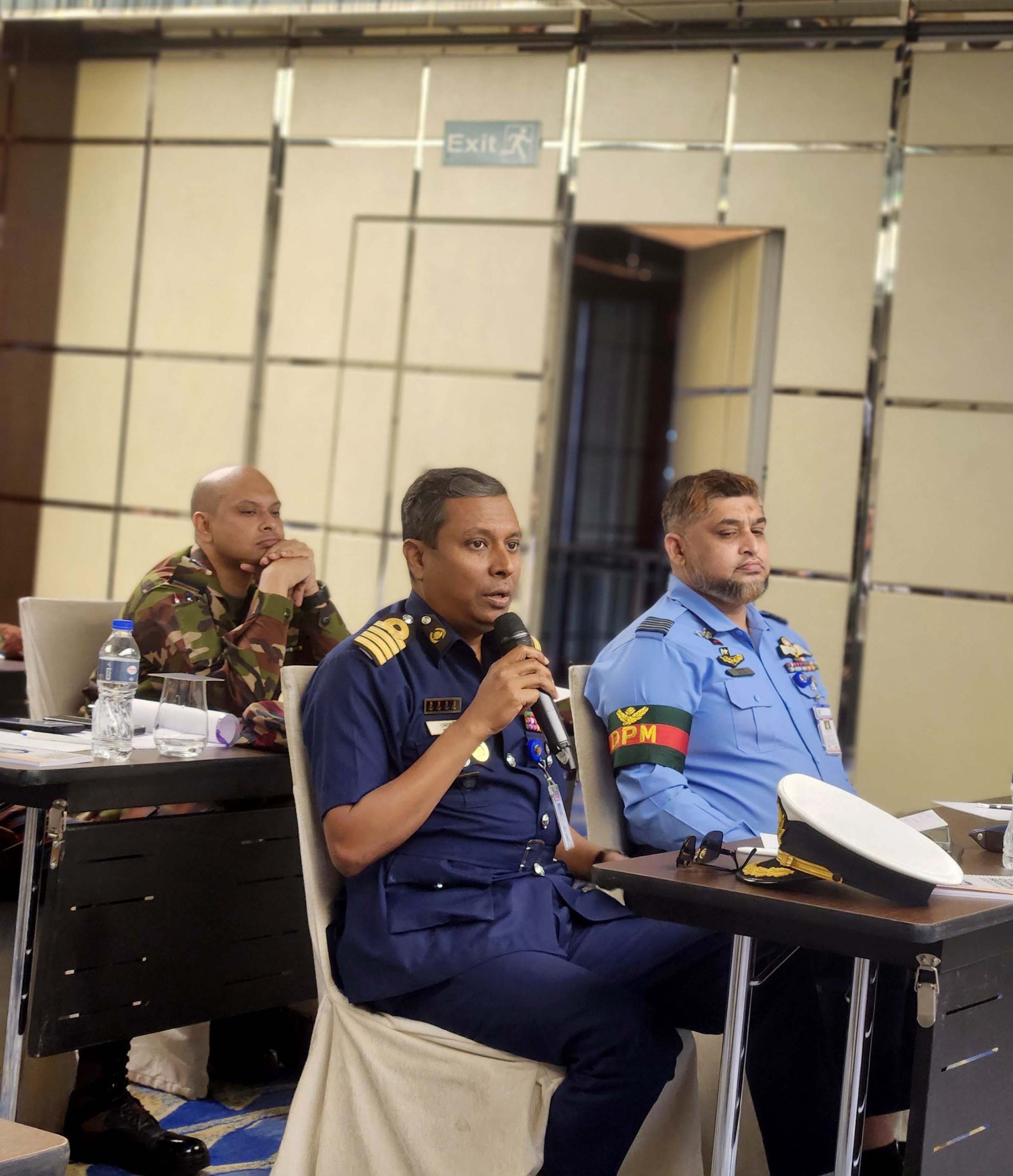
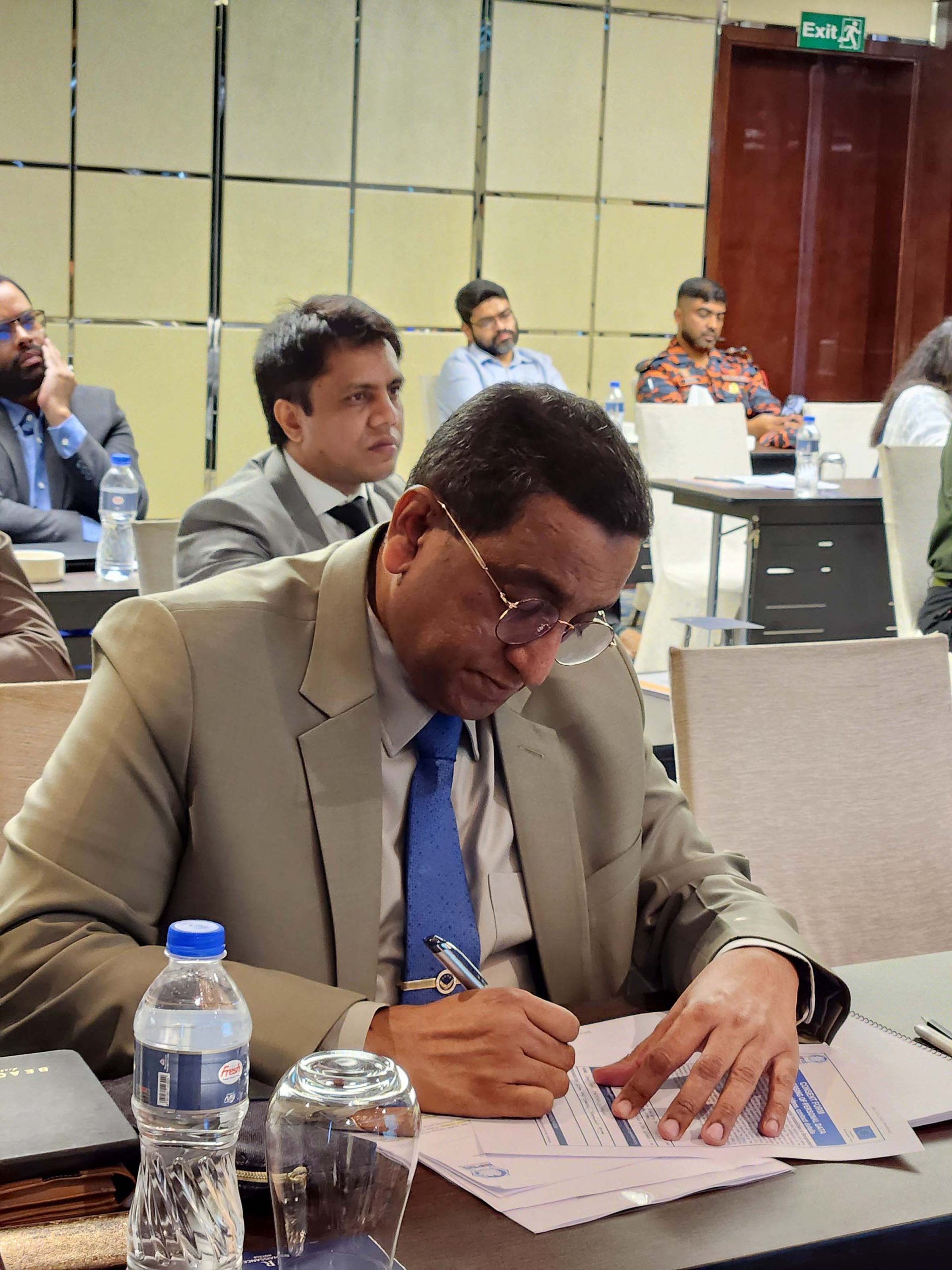
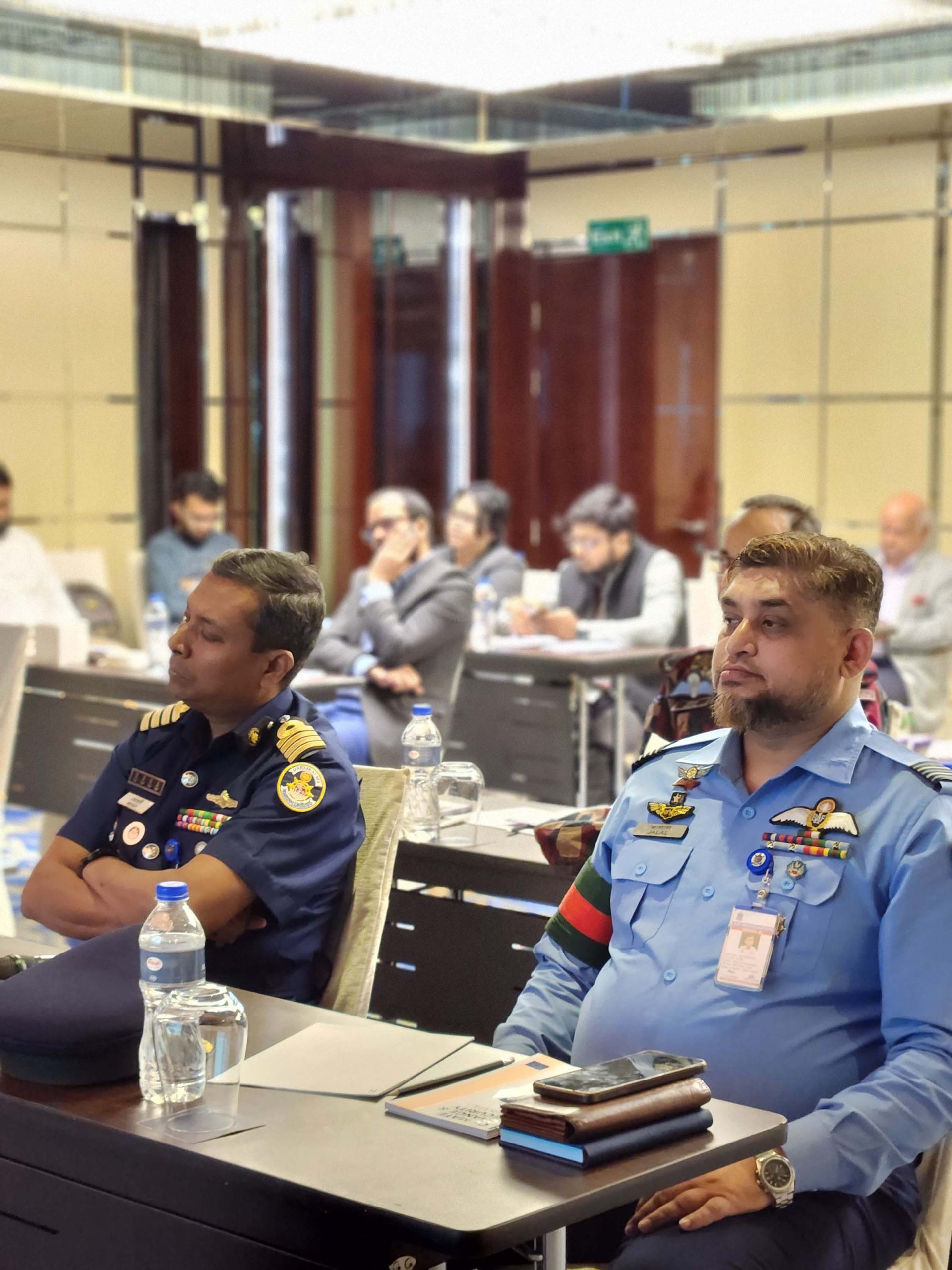
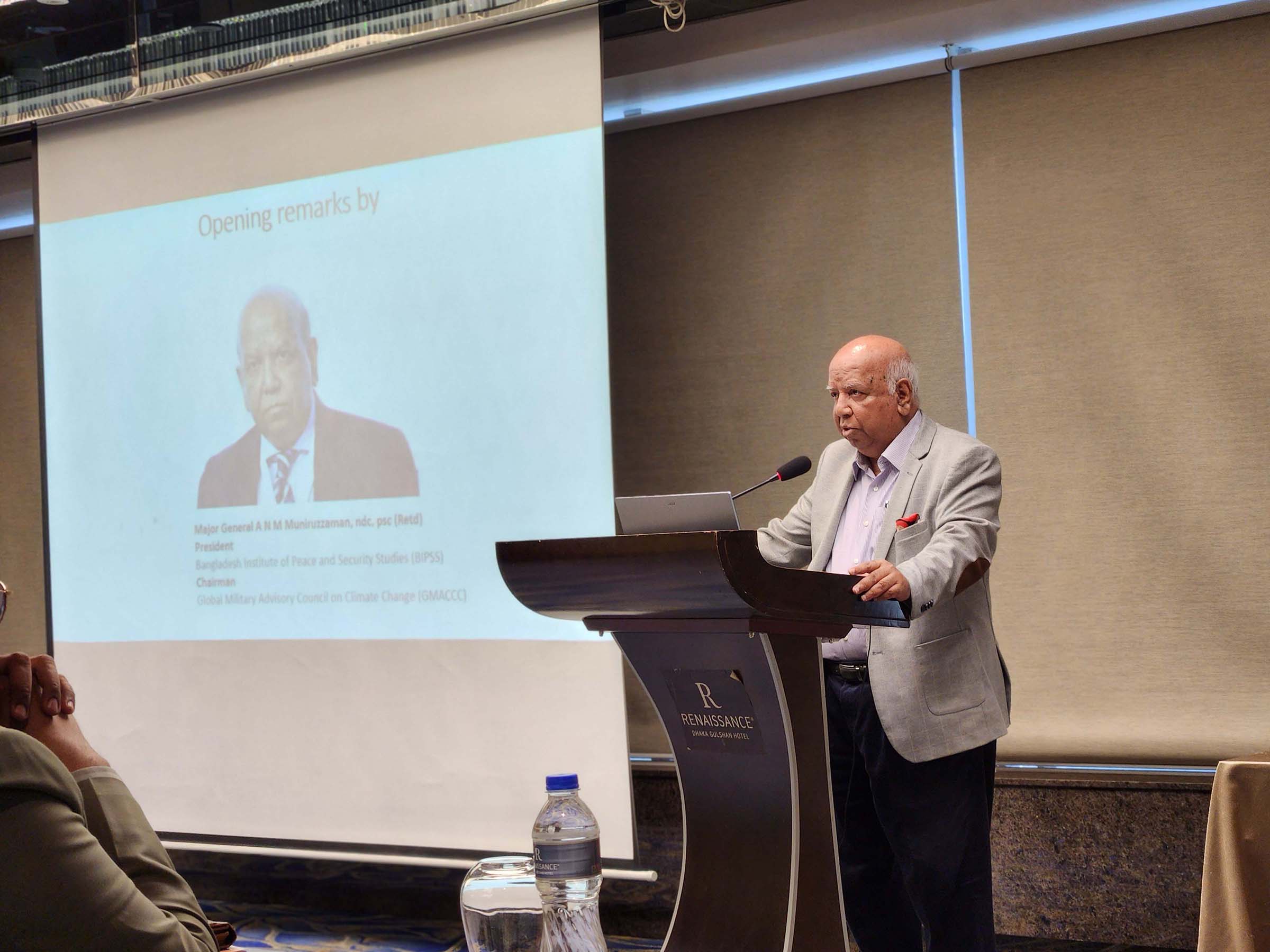
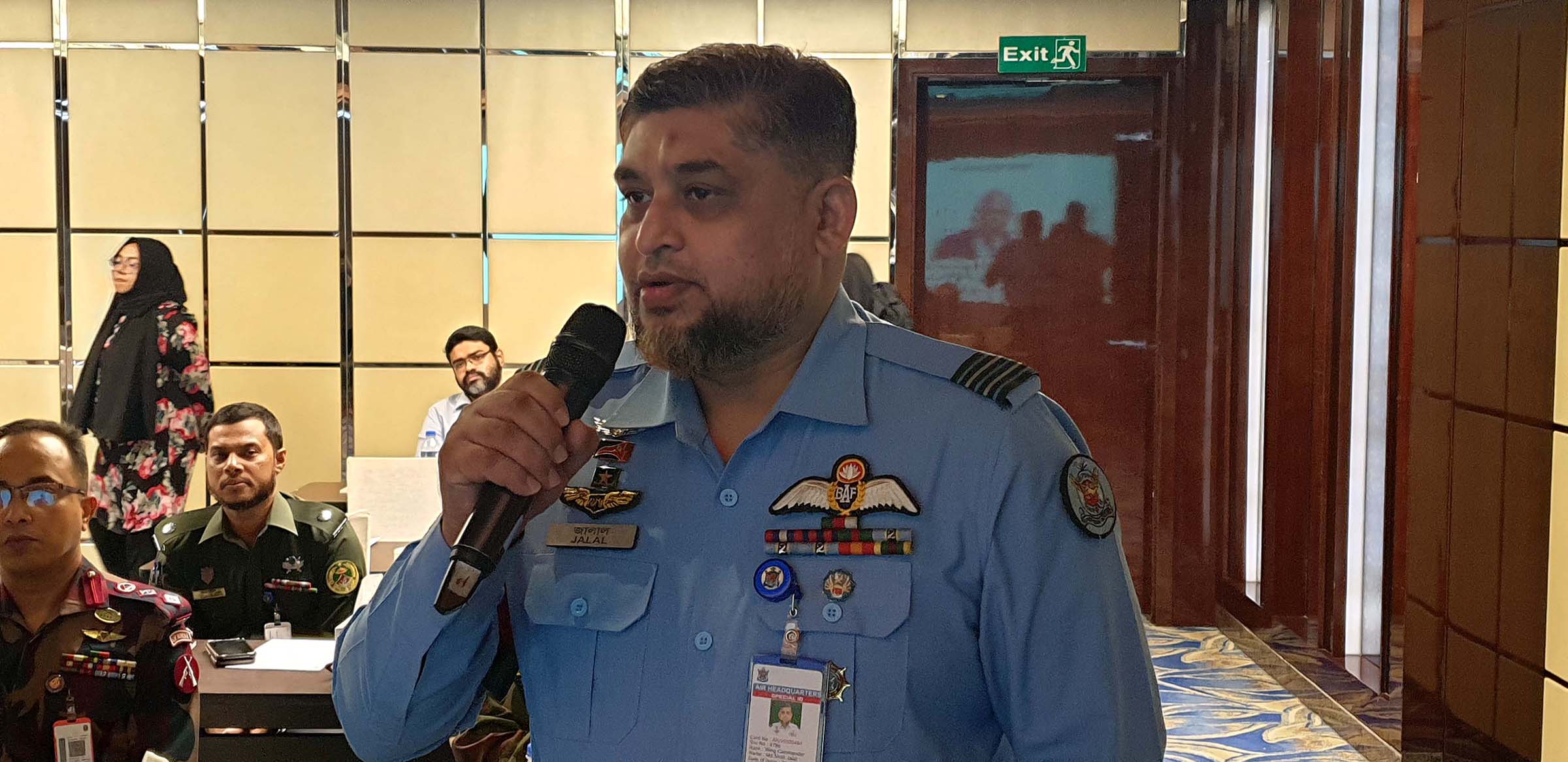
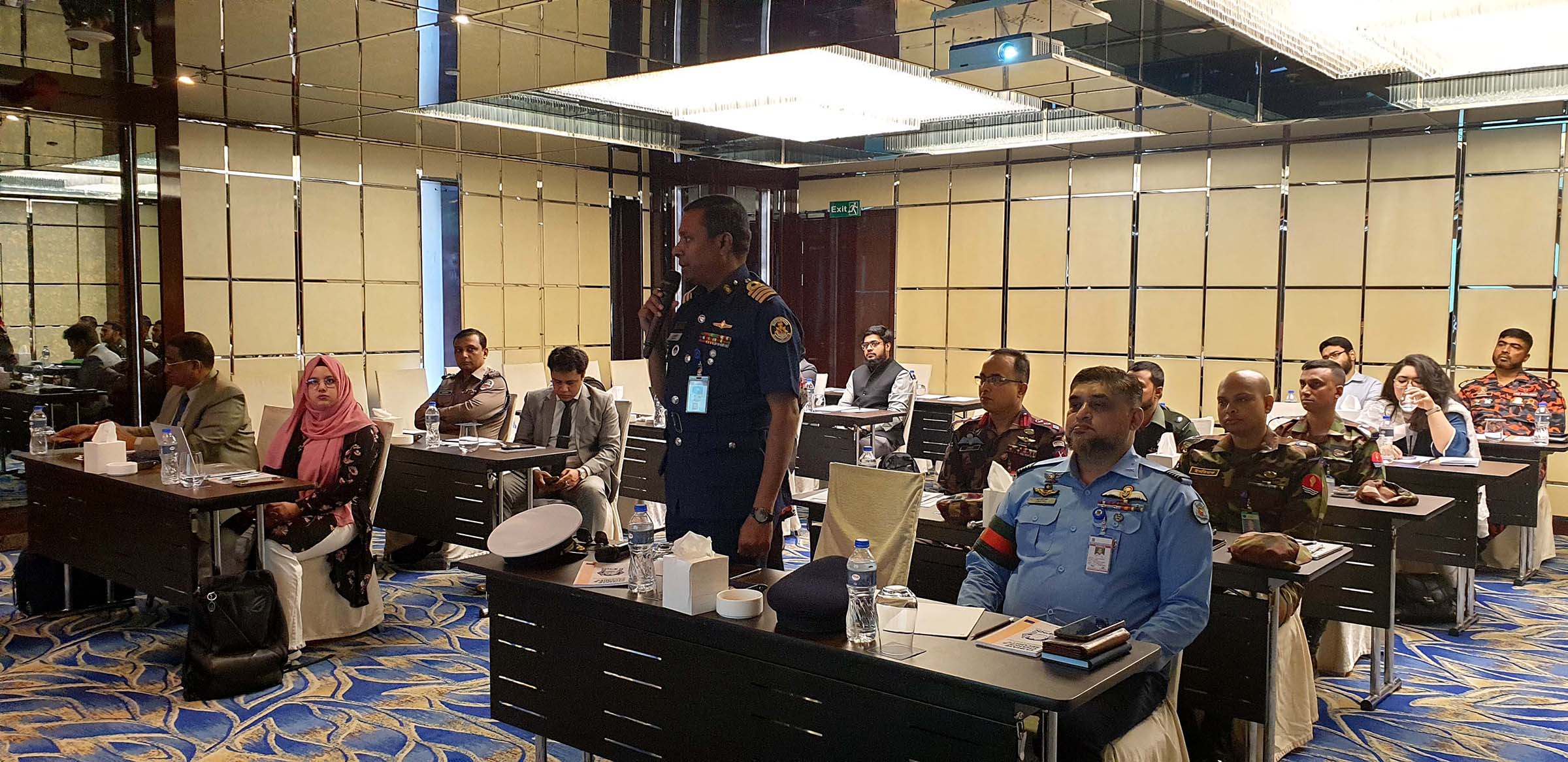
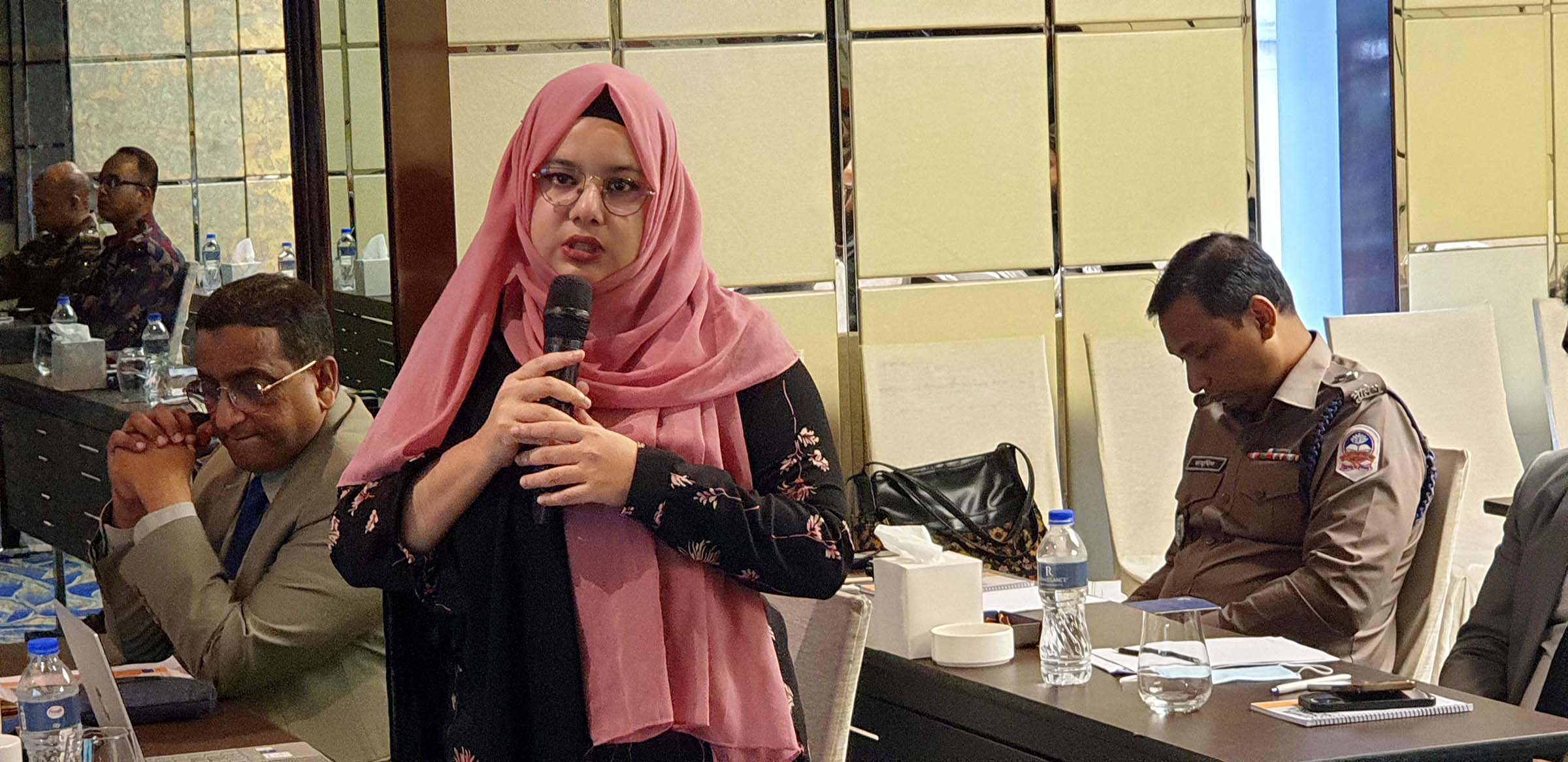
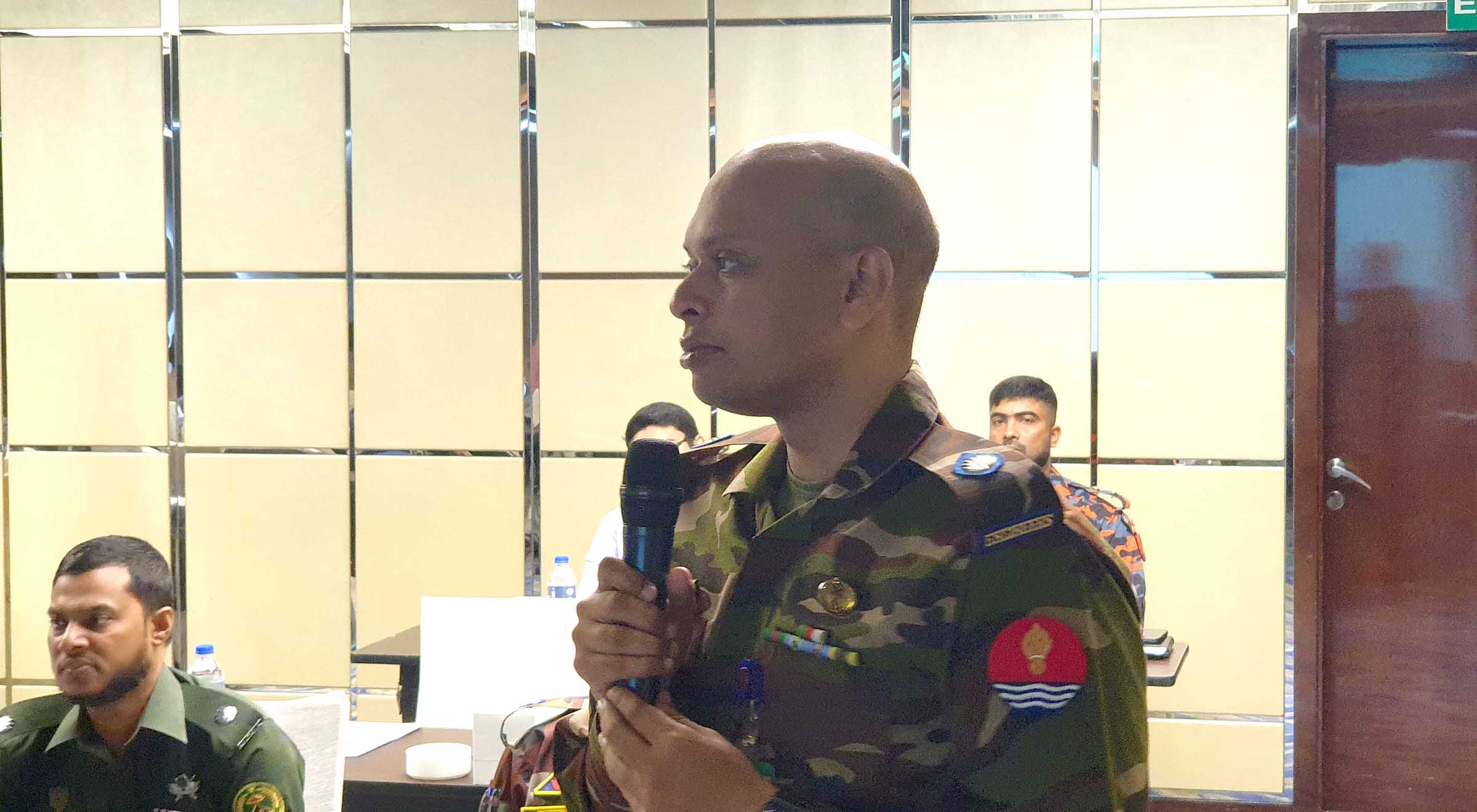
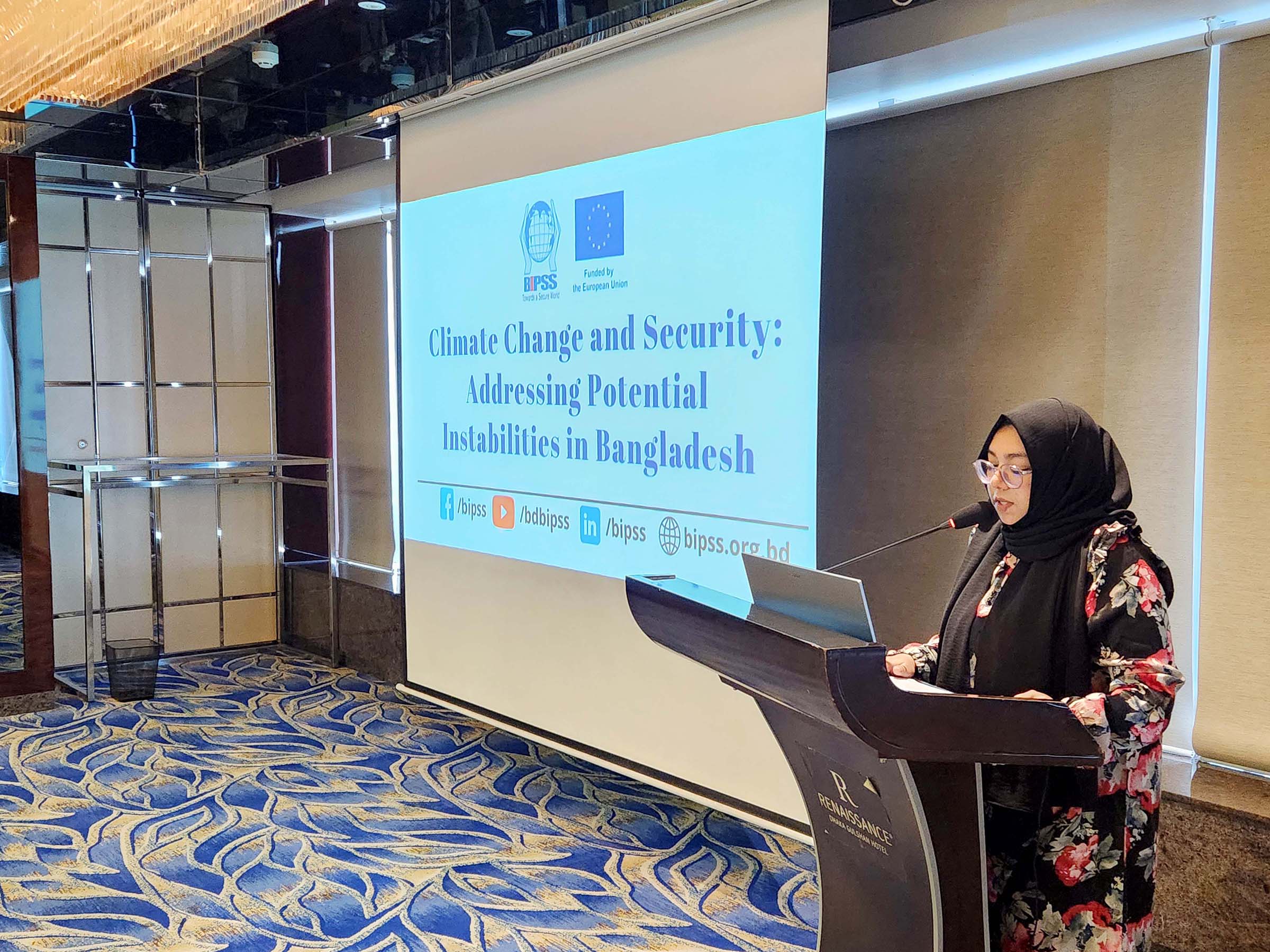
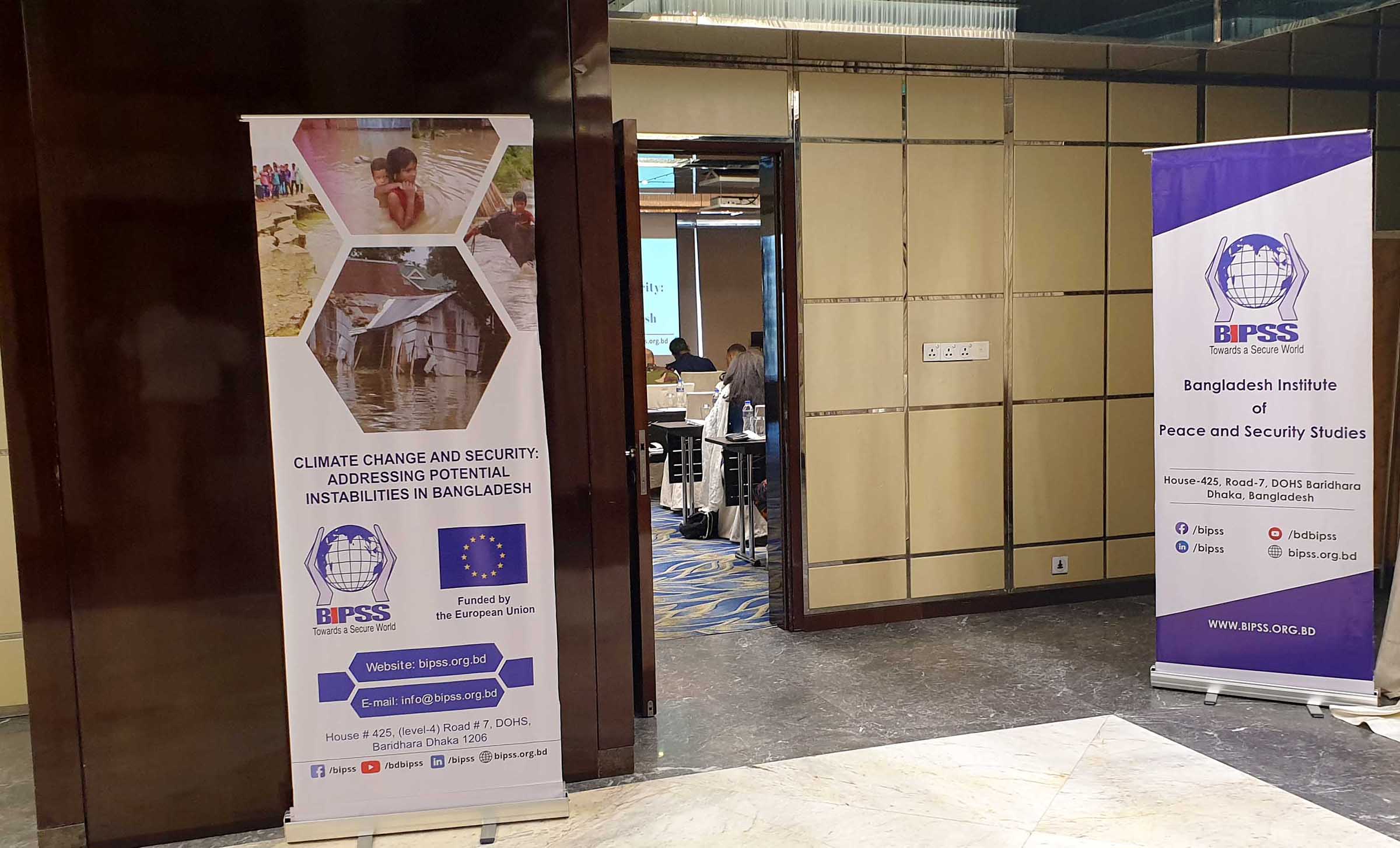
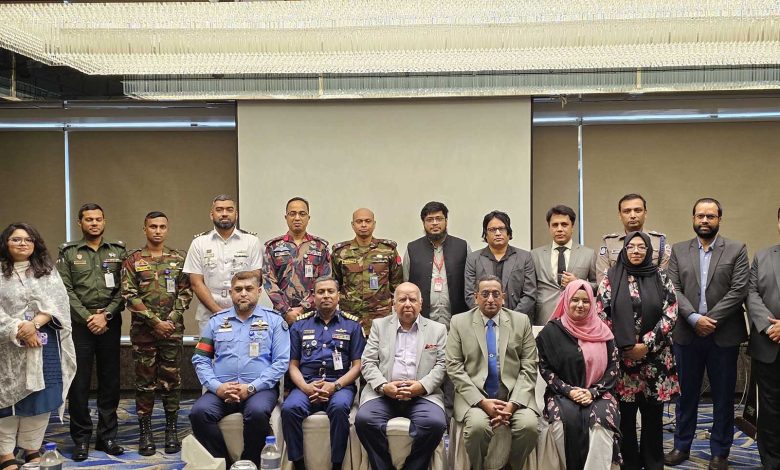
The Bangladesh Institute of Peace and Security Studies (BIPSS) organized the 4th Capacity-Building Workshop titled Enhancing Disaster Resilience: Role of Security Forces in Climate-Induced Disaster under its European Union funded Project “Climate Change & Security: Addressing Potential Instabilities in Bangladesh” on 15 December 2025 at Hotel Renaissance, Dhaka. The workshop brought together representatives from security forces, government ministries, disaster management authorities, humanitarian organizations, research institutions, and civil society to discuss emerging security challenges linked to climate-induced disasters in Bangladesh.
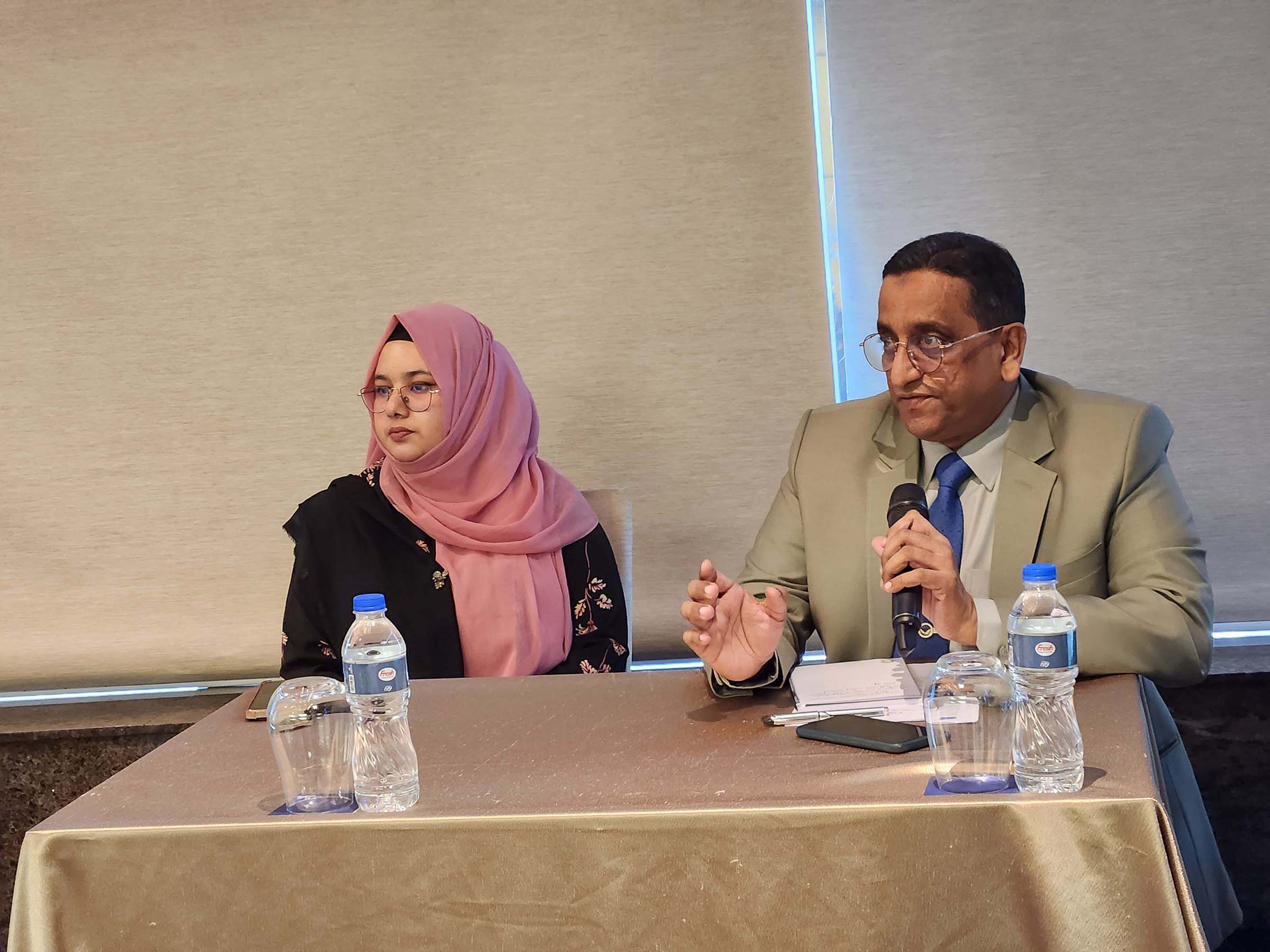
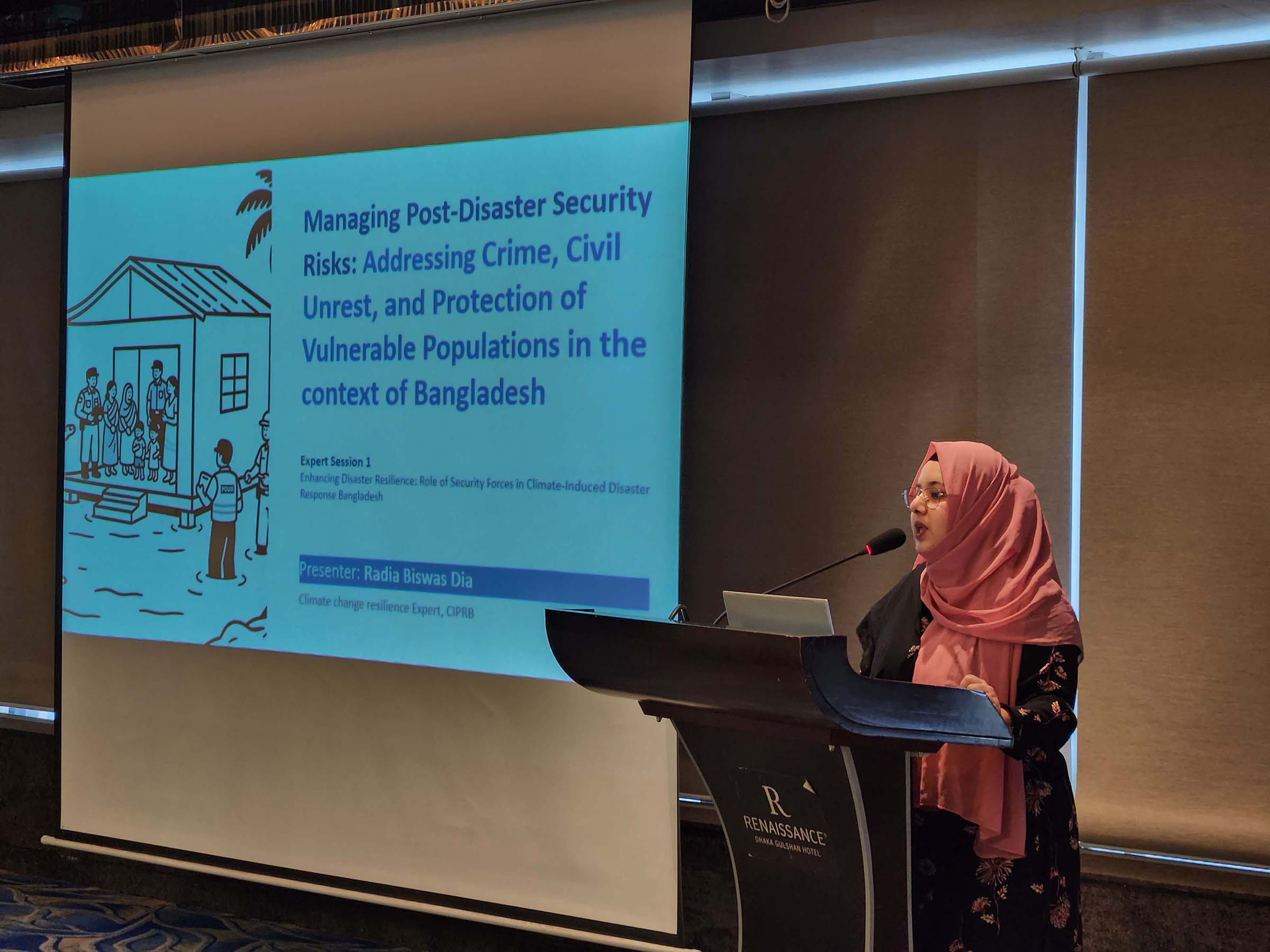
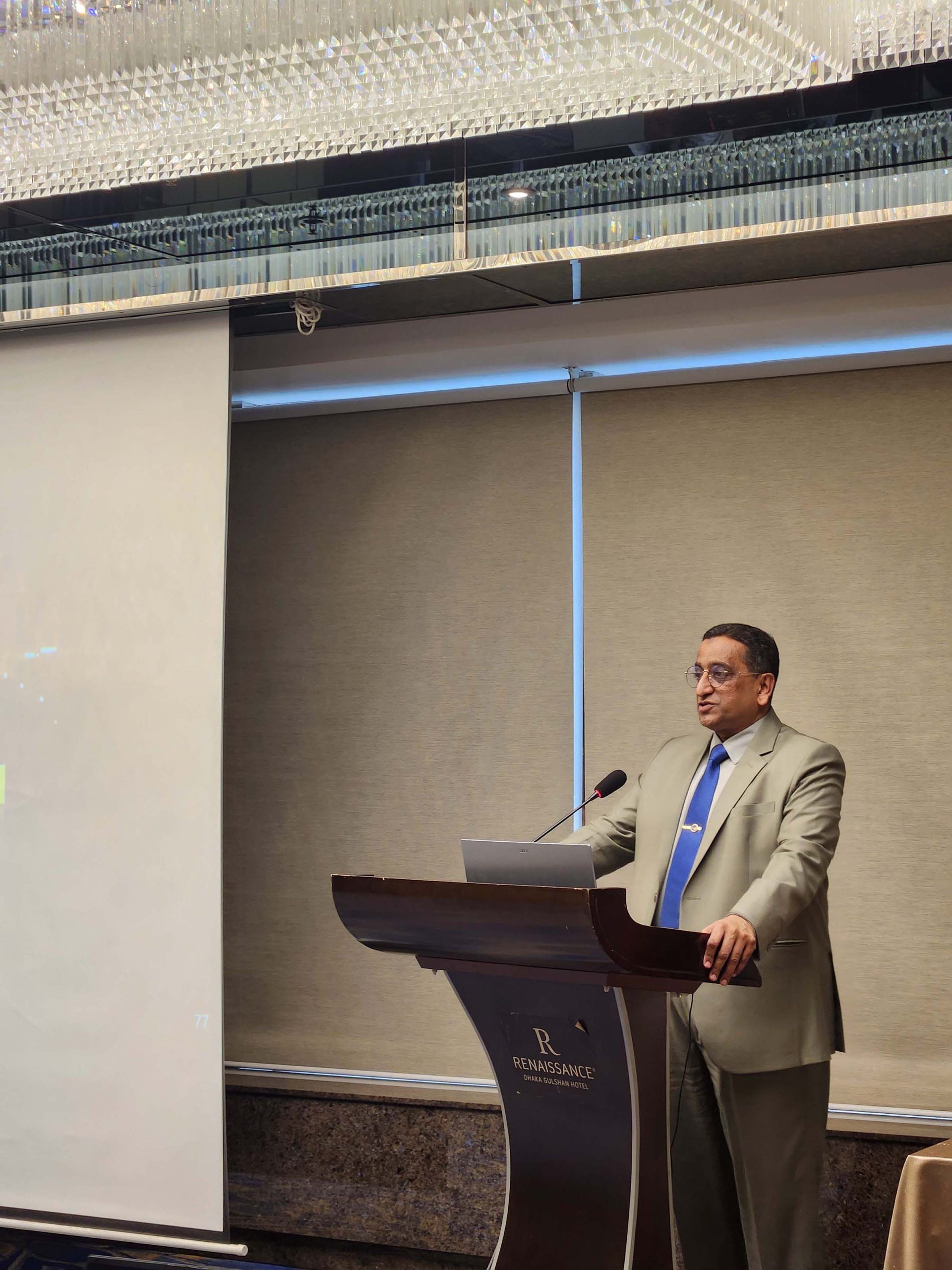
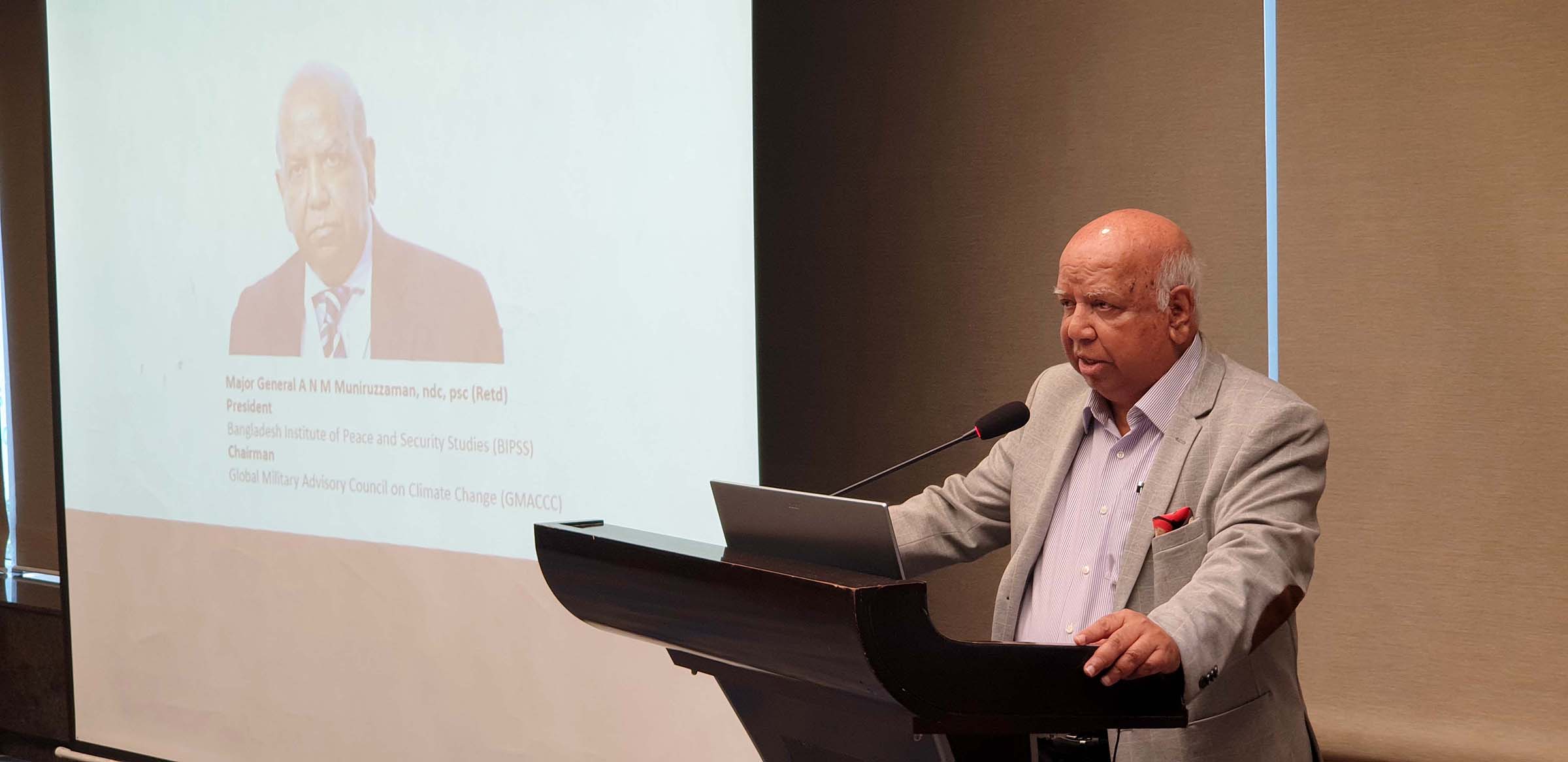
The event began with welcome remarks by Maj Gen ANM Muniruzzaman, ndc, psc (Retd.), President of BIPSS, who emphasized the growing intersection between climate change, disaster response, and security, and the need for stronger coordination among key stakeholders. In the first expert session, Ms. Radia Biswas Dia, Climate Change Resilience Expert of CIPRB discussed post-disaster security risks, including crime, civil unrest, gender-based violence, trafficking, and the protection of vulnerable populations, drawing on real-life experiences and case examples from cyclones and floods.
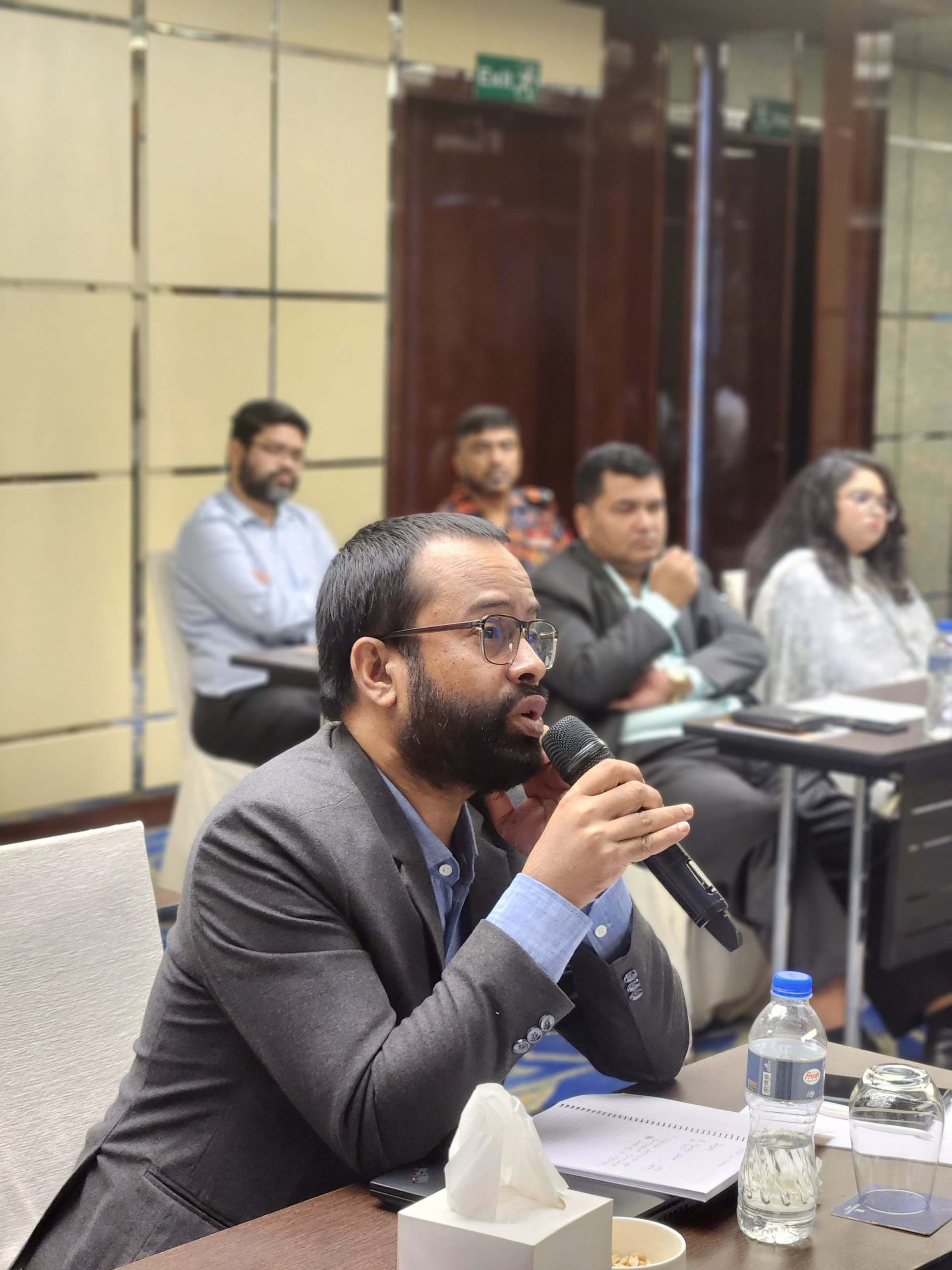
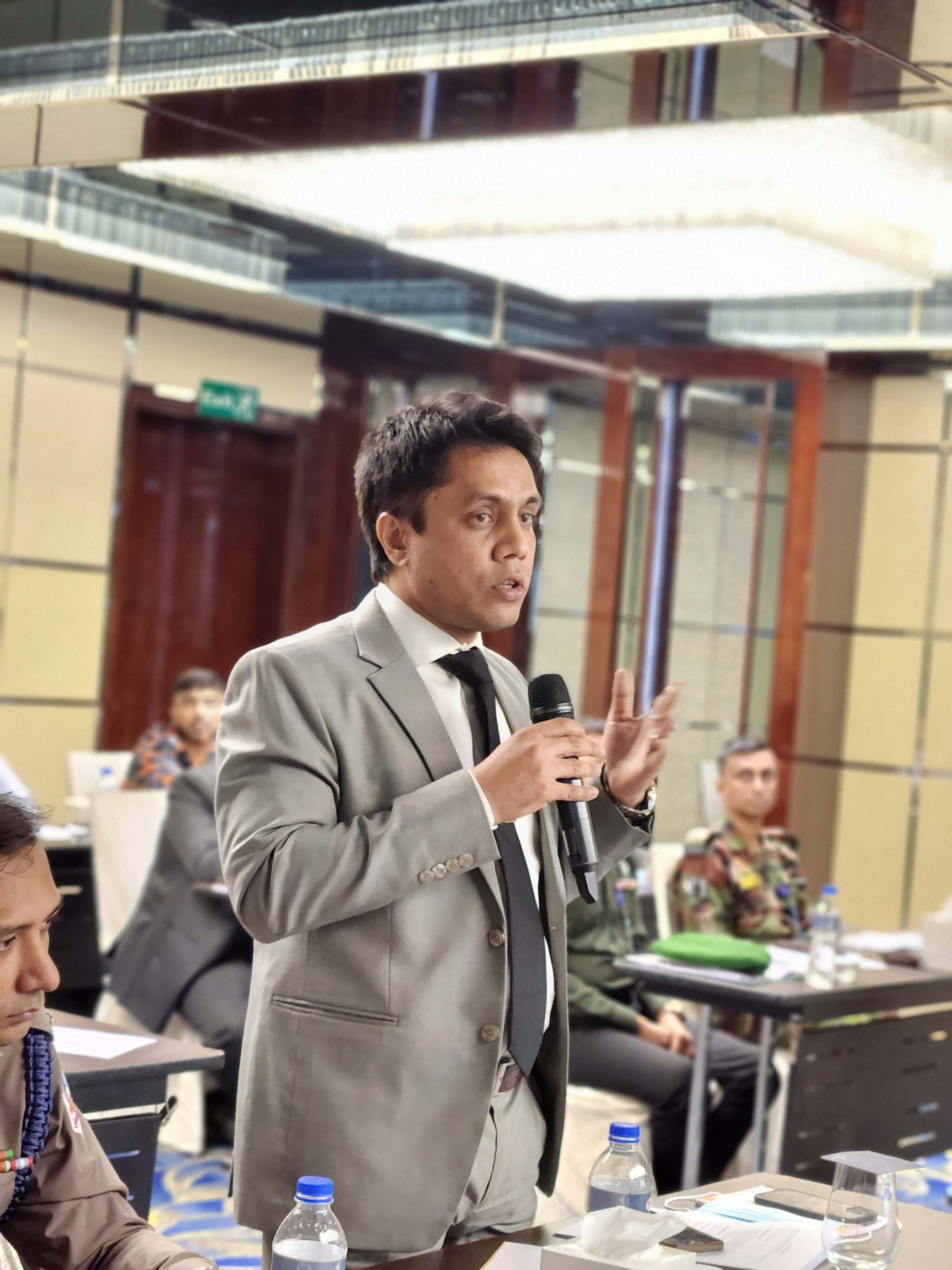
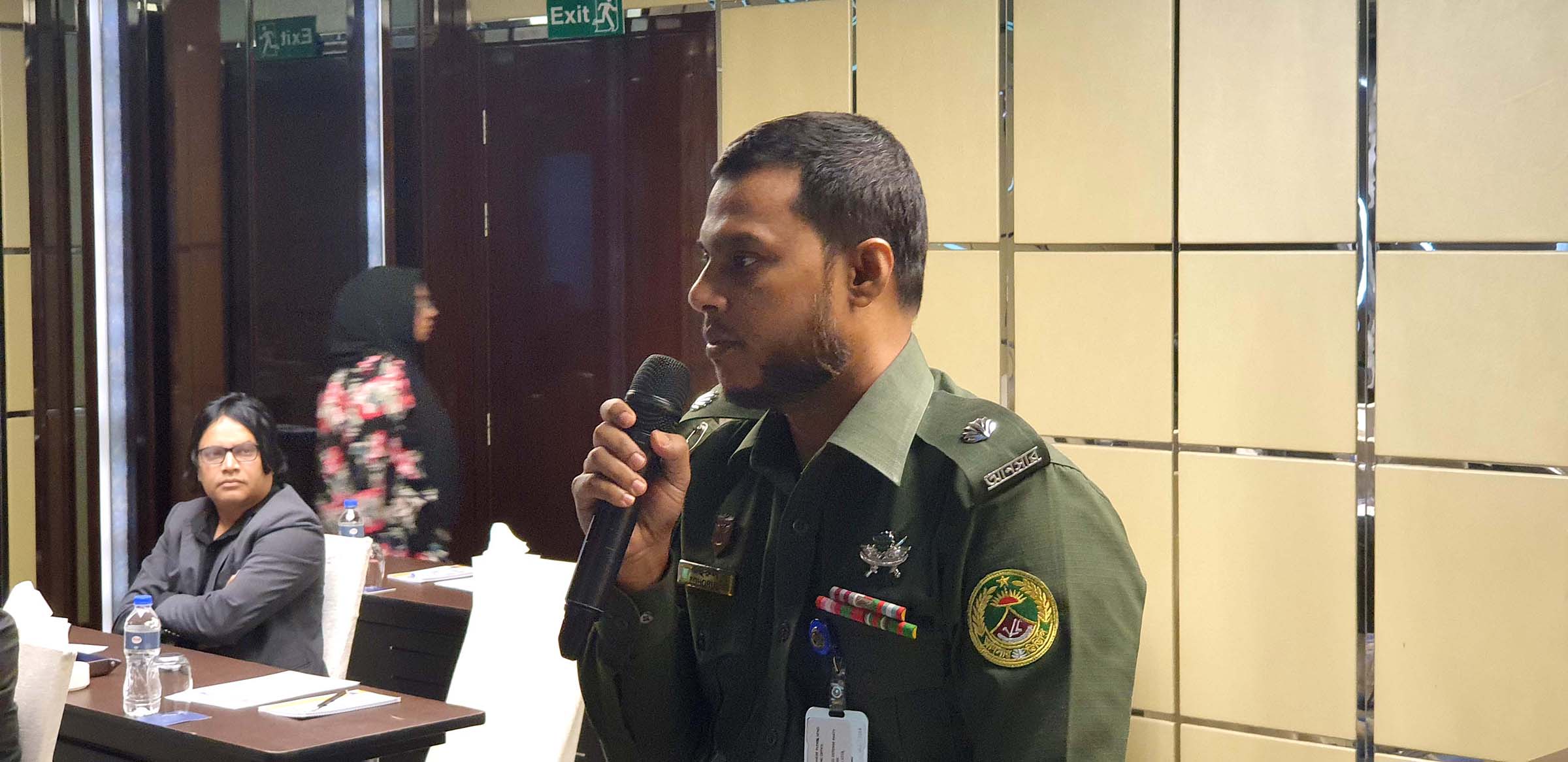
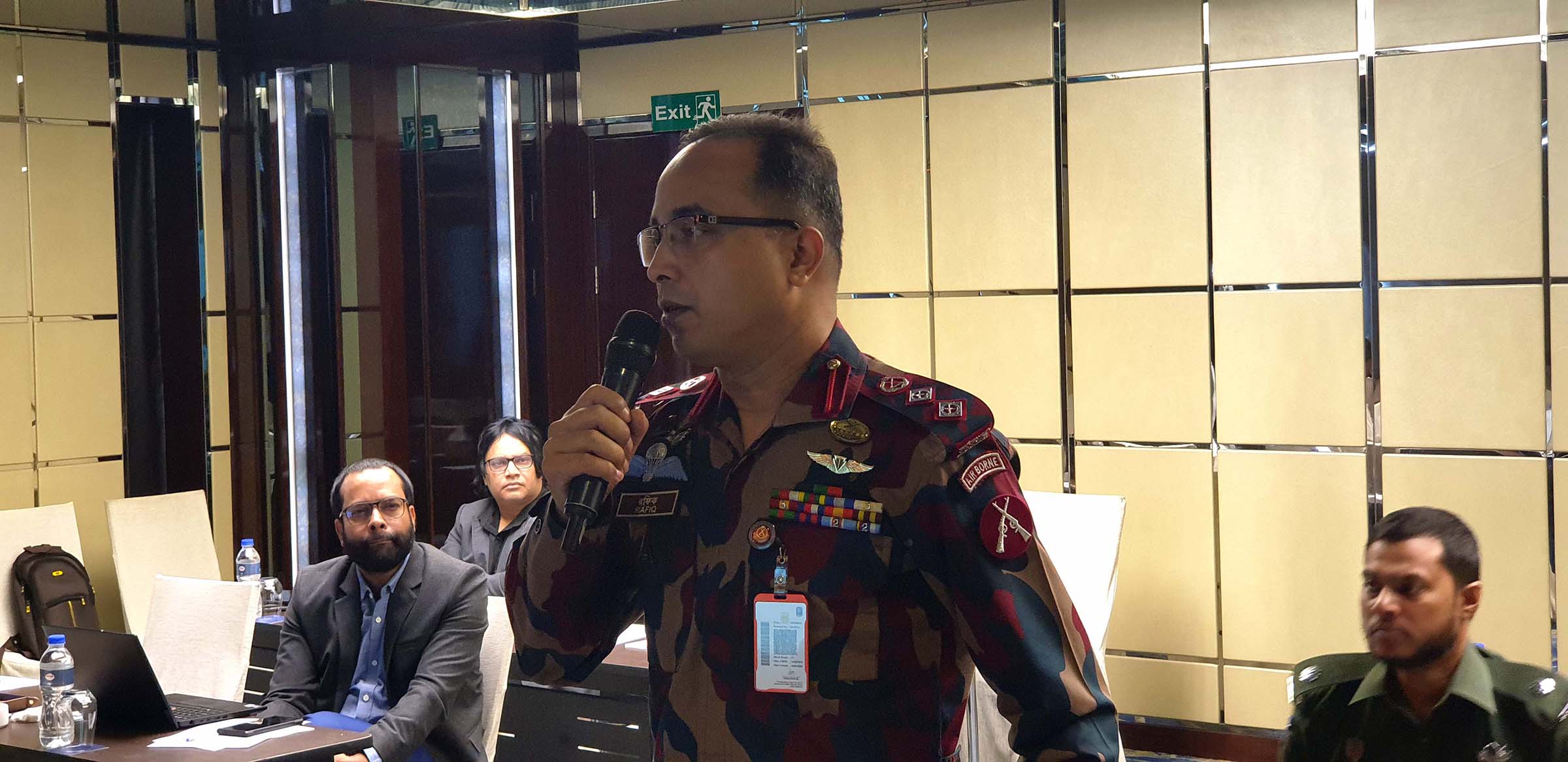
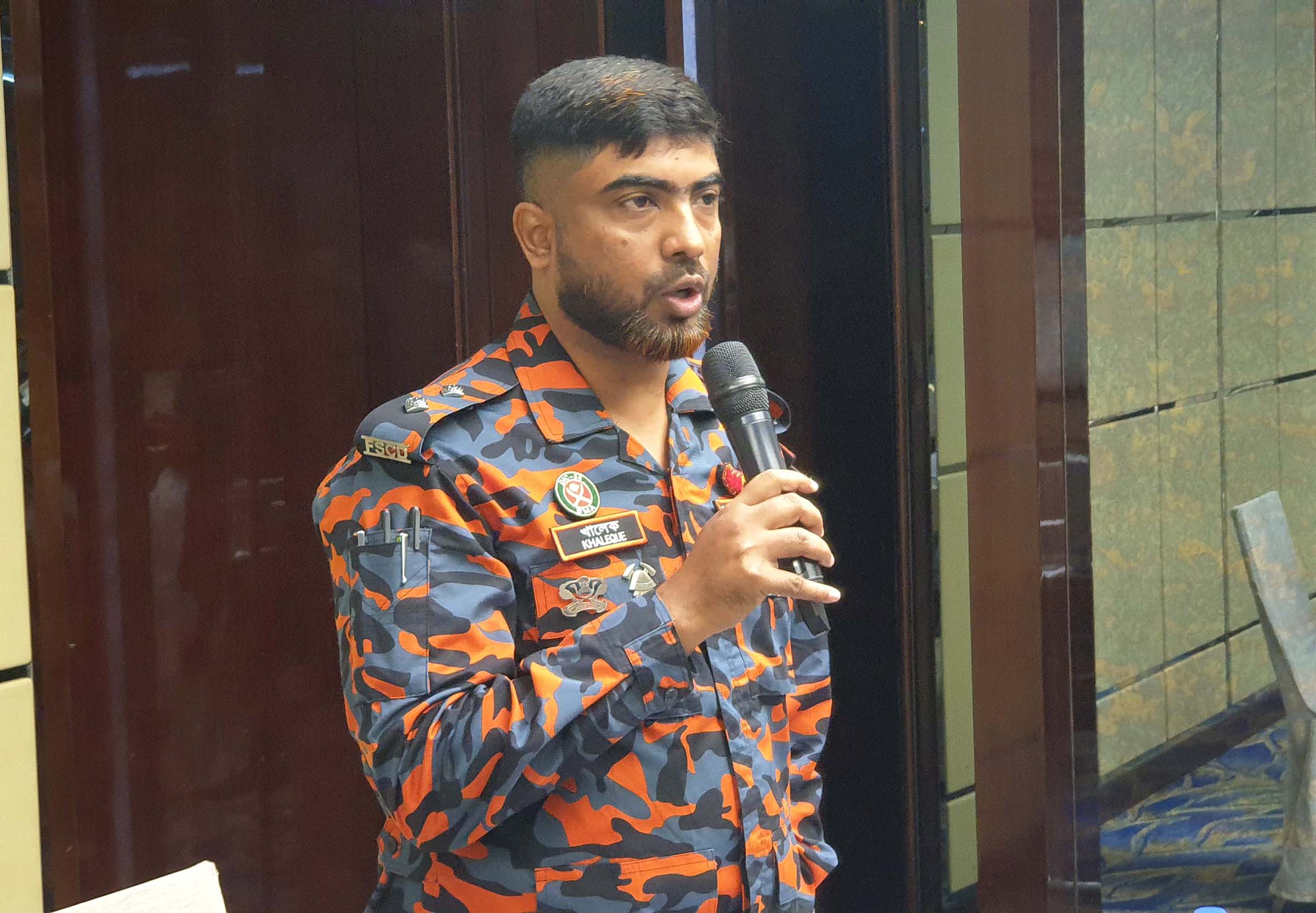
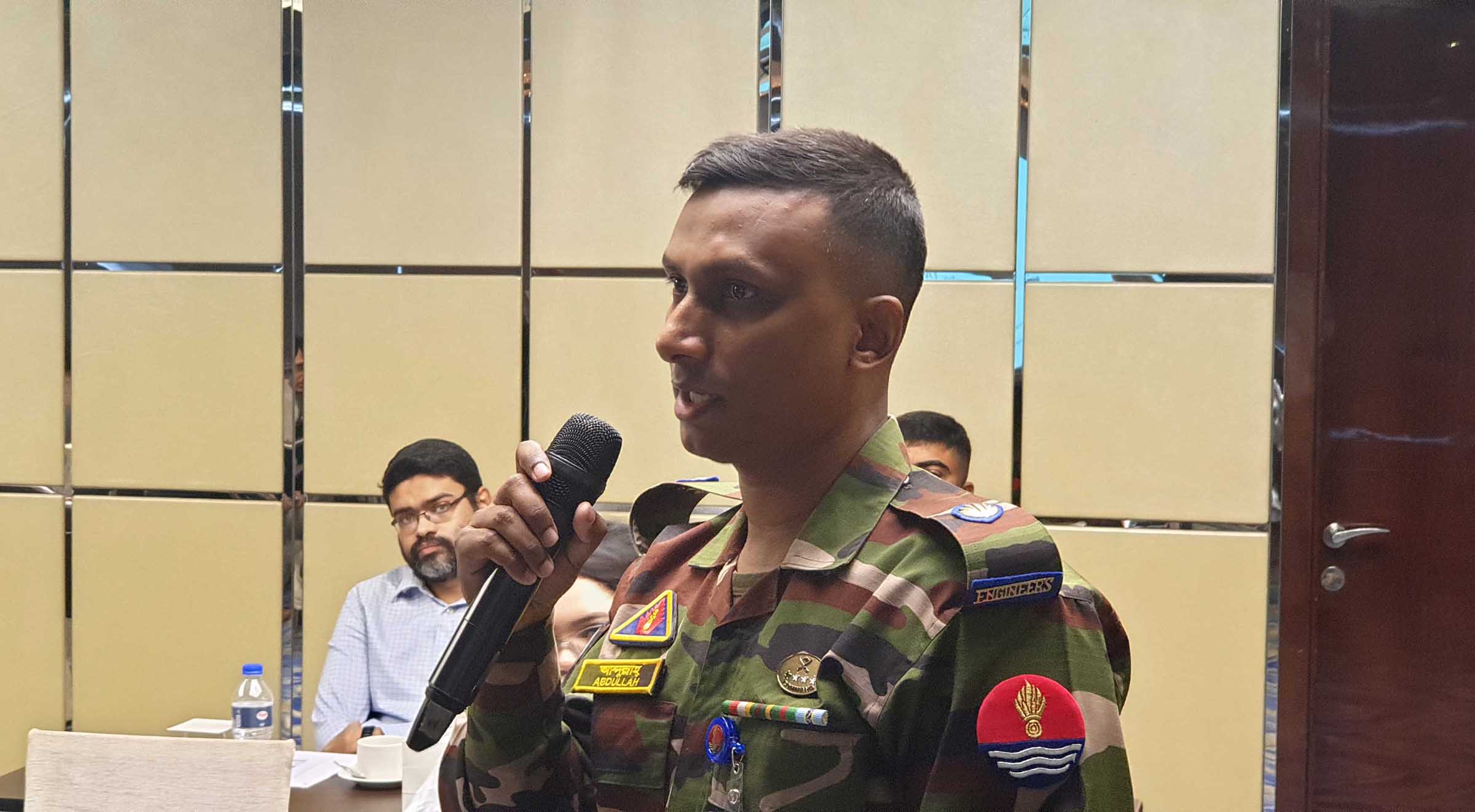
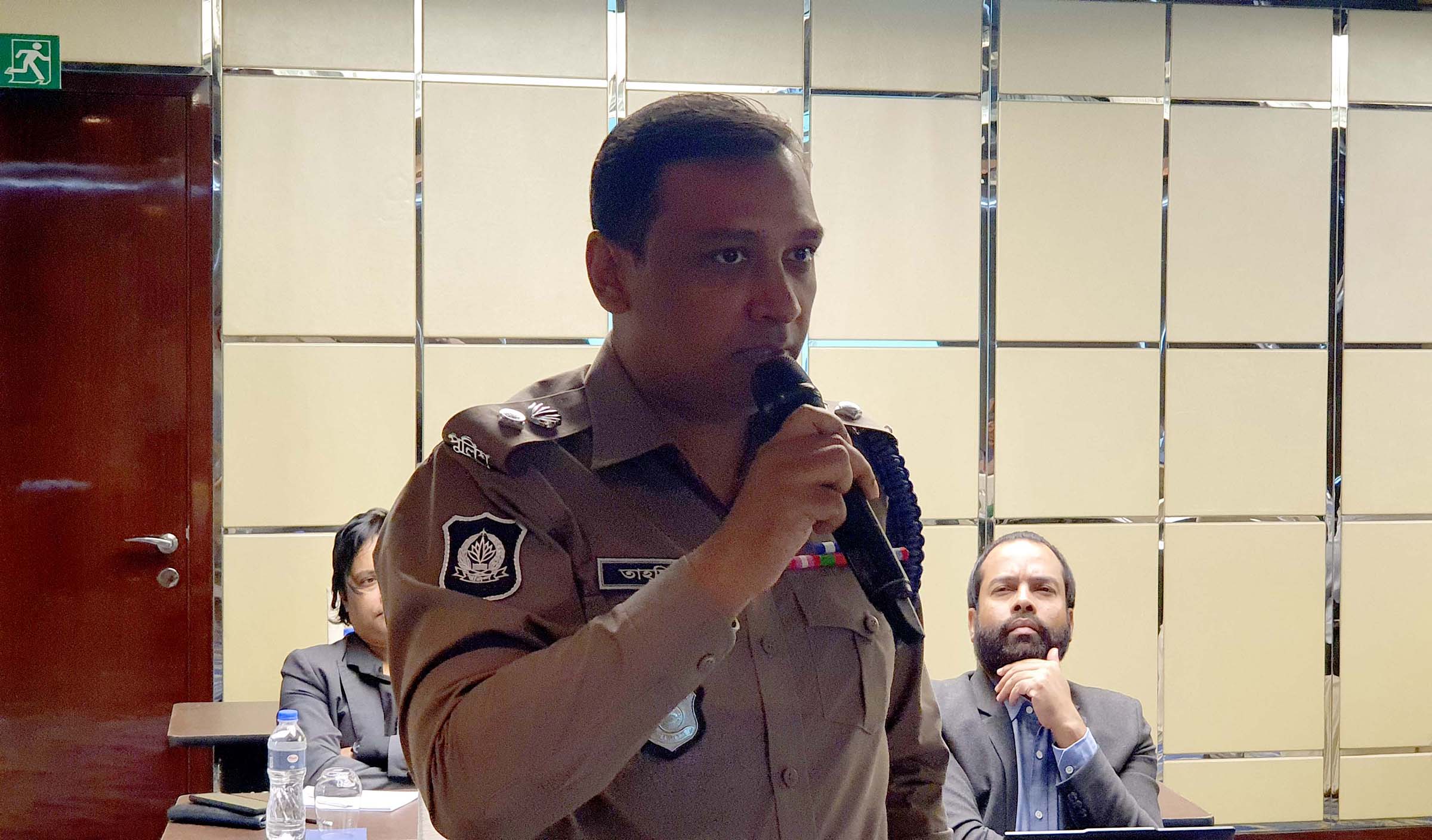
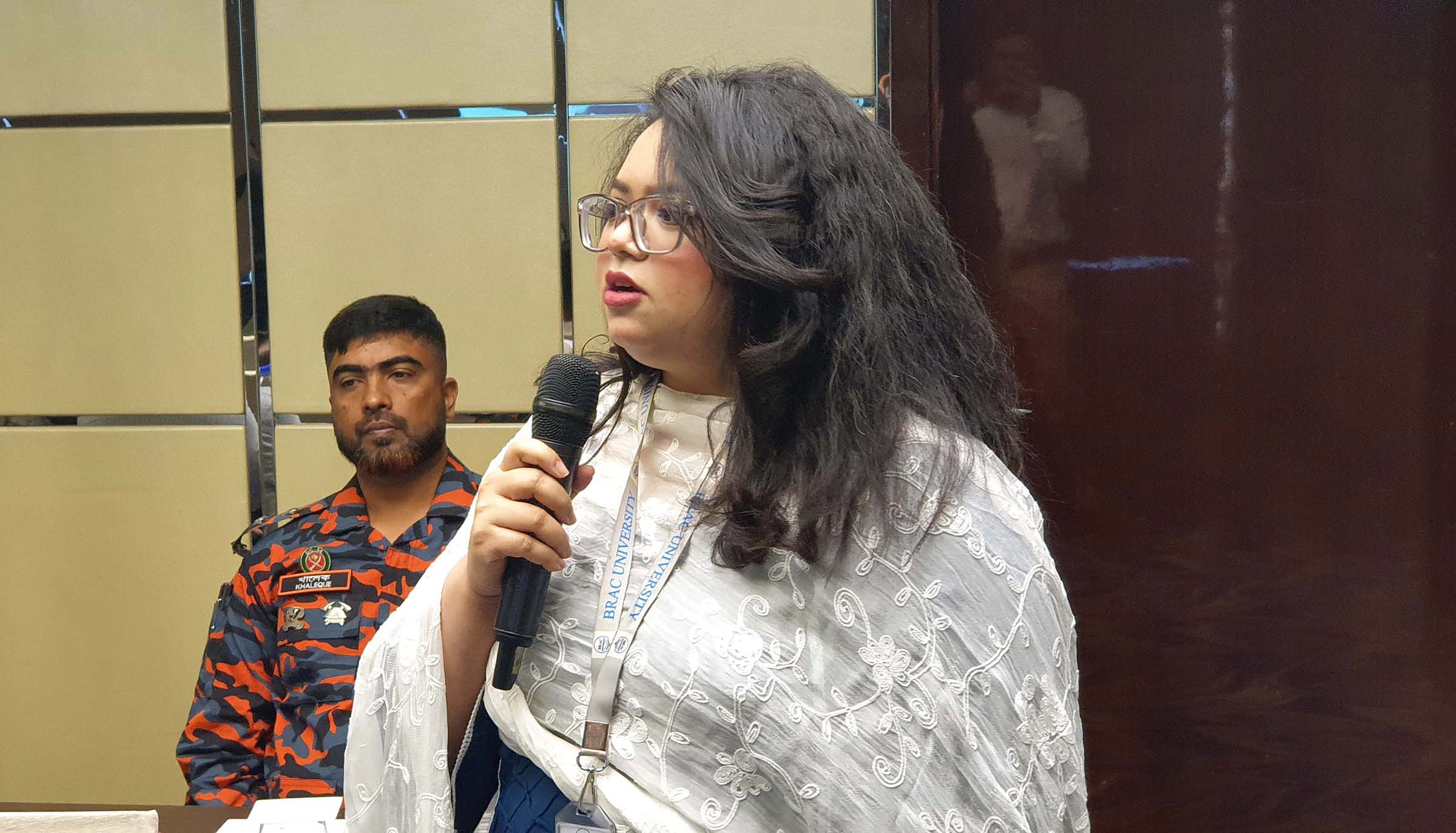
The second session, led by Maj Gen Ibne Fazal Shayekhuzzaman, BSP (BAR), SGP, afwc, psc (Retd.), focused on multi-agency coordination in disaster response, highlighting operational lessons, institutional gaps, and experiences from major disasters such as the Rana Plaza collapse. Interactive discussions followed both sessions, during which speakers and participants openly shared field-level experiences, identified existing shortcomings and loopholes, and expressed the view that the dialogue would help open new avenues for improvement, stronger coordination, and further collaborative work to enhance disaster resilience and security in Bangladesh.